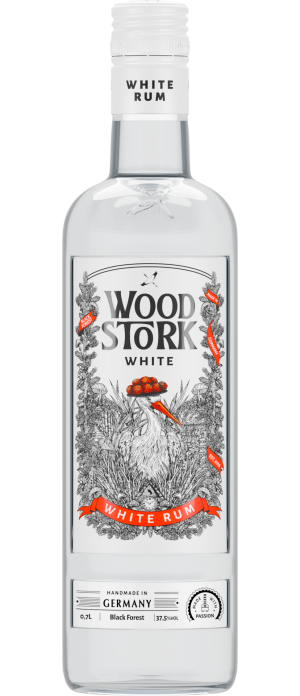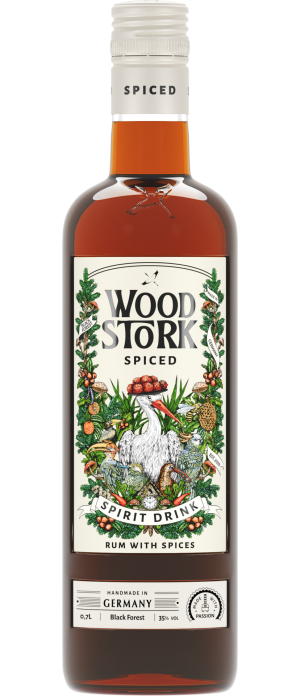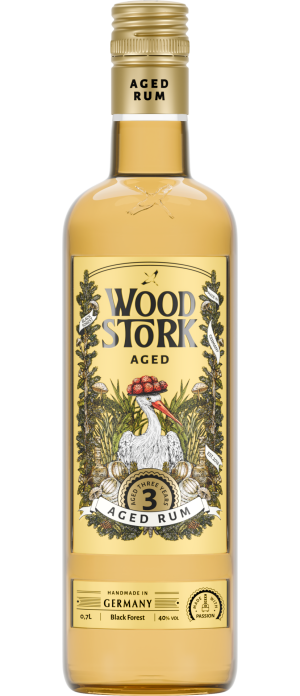
The Spirits Association defines rum as an alcoholic beverage made from sugar cane molasses. But rum is much more than that, and it also has a long history of wonderful and exciting moments.
The sweet gold
The plant “Saccharum officinarum,” or sugar cane, was first mentioned in BC. There are all kinds of myths about its origins. Papua New Guinea, China, Indonesia, India – the sweet gold is said to come from everywhere. One thing is clear, however: sugar cane became better known through shipping and trade, and it was Christopher Columbus who brought the first seedlings to the Caribbean, thus becoming the forefather of all plantations.
Precursor
At that time, everyone was crazy about sugar, and the molasses produced during sugar production was considered a waste product. By chance, it was discovered that alcohol is produced when molasses ferments. With profitability and sustainability in mind, “eau de vie” or “aguardente” was created. From “Cachaca” to “Kill-Devil” to “Rumbullion,” every country had its own name for the precursor to what we now know as rum. But one thing was the same everywhere: no matter what it was called, it was undrinkable.
However, the British Navy was very enthusiastic about sugar cane schnapps and declared rum to be an official part of sailors' daily rations.
#cheerstothequeen
Good things come to those who wait...
It was only with the development of sophisticated distillation methods around 1800, such as the “pot still” and the “column still,” that the waste distillate became the rum we know today. The different processes allow for a variety of rum flavors, from sweet and mellow to strong and heavy.
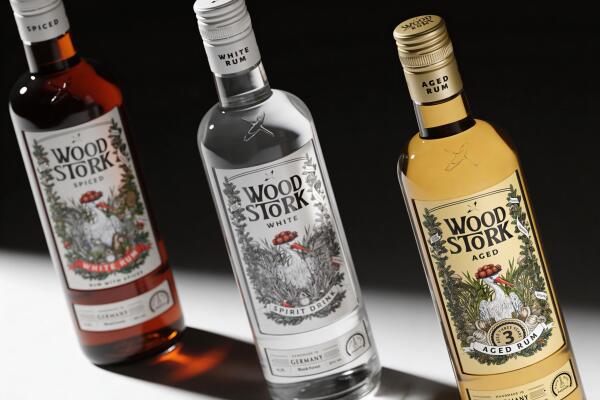
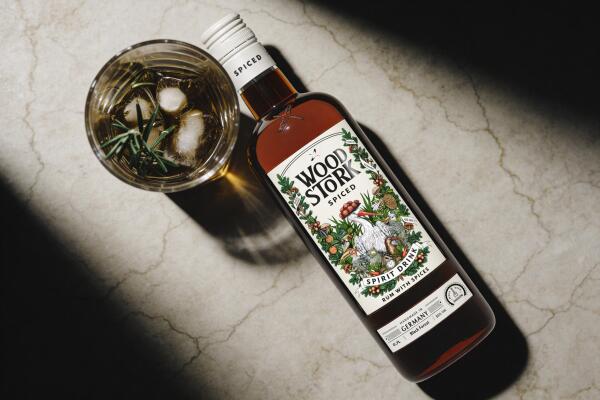
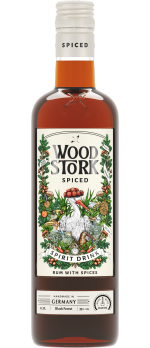
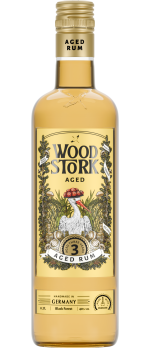
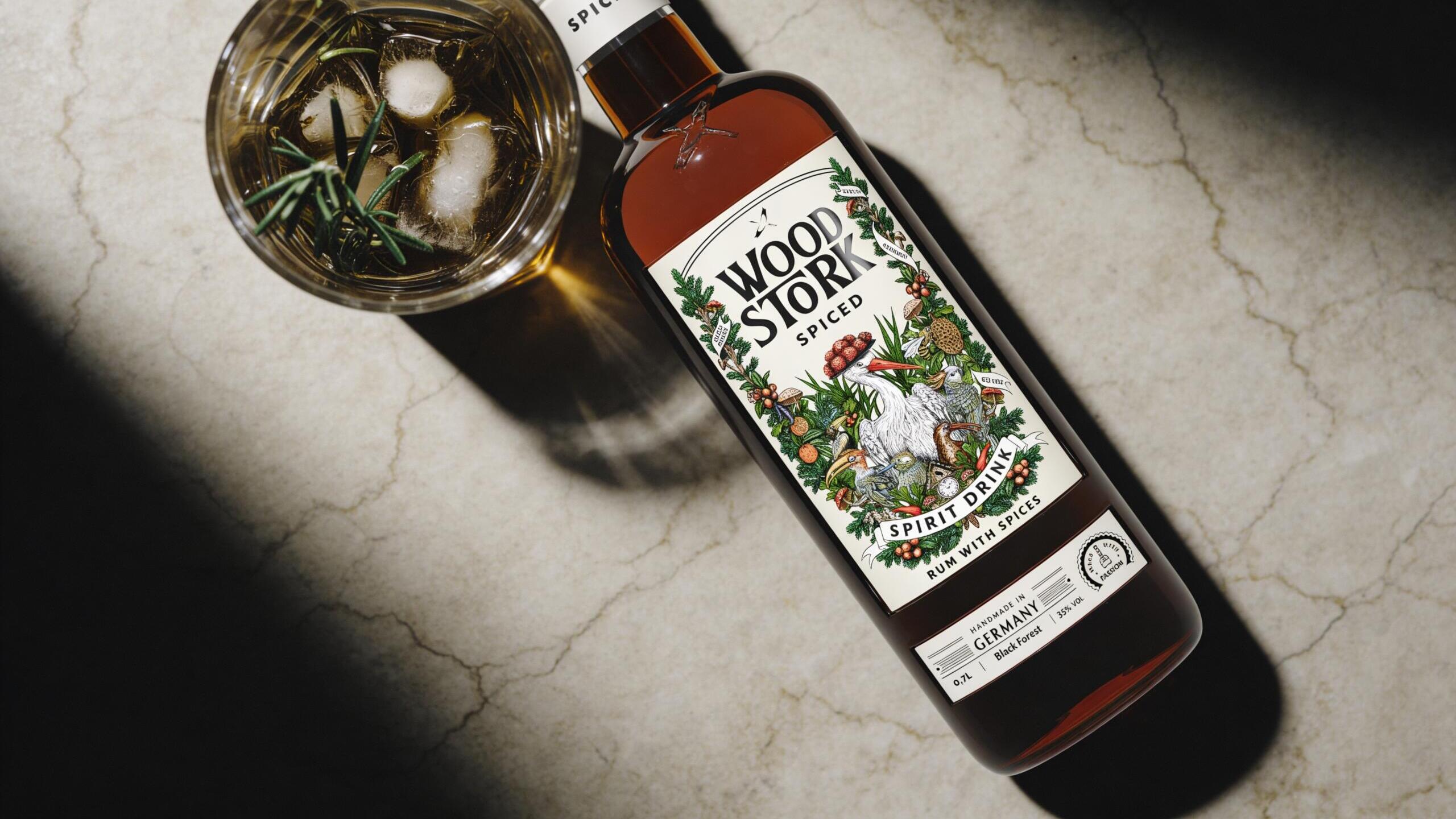
And from here on, we are rewriting a part of history with WOOD STORK Black Forest Spiced Rum.
Rum is made from sugar cane. Sugar cane molasses, a by-product of sugar production, is often used for this purpose. Rum is produced through fermentation and distillation.
We use high-quality sugar cane from Paraguay for Wood Stork Rum.
Rum is a spirit made from sugar cane or sugar cane molasses. Fermentation and distillation produce alcohol, which is either bottled immediately or aged in barrels, depending on the style.
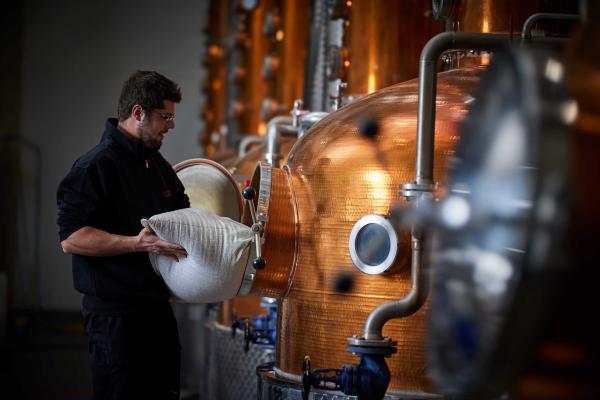
We distill our rum three times in a CO2-neutral process using modern copper stills.